
The ability to learn does not stop with childhood. It is possible to acquire new skills with motivation, even in old age, brain researchers report.
Category Archives: Science
Fluorescent beads show the structure of food

Researchers have developed a method that determines the structure of foodstuffs at a molecular level with the help of tiny fluorescent beads.
First lure, then kill: beating the malaria mosquito
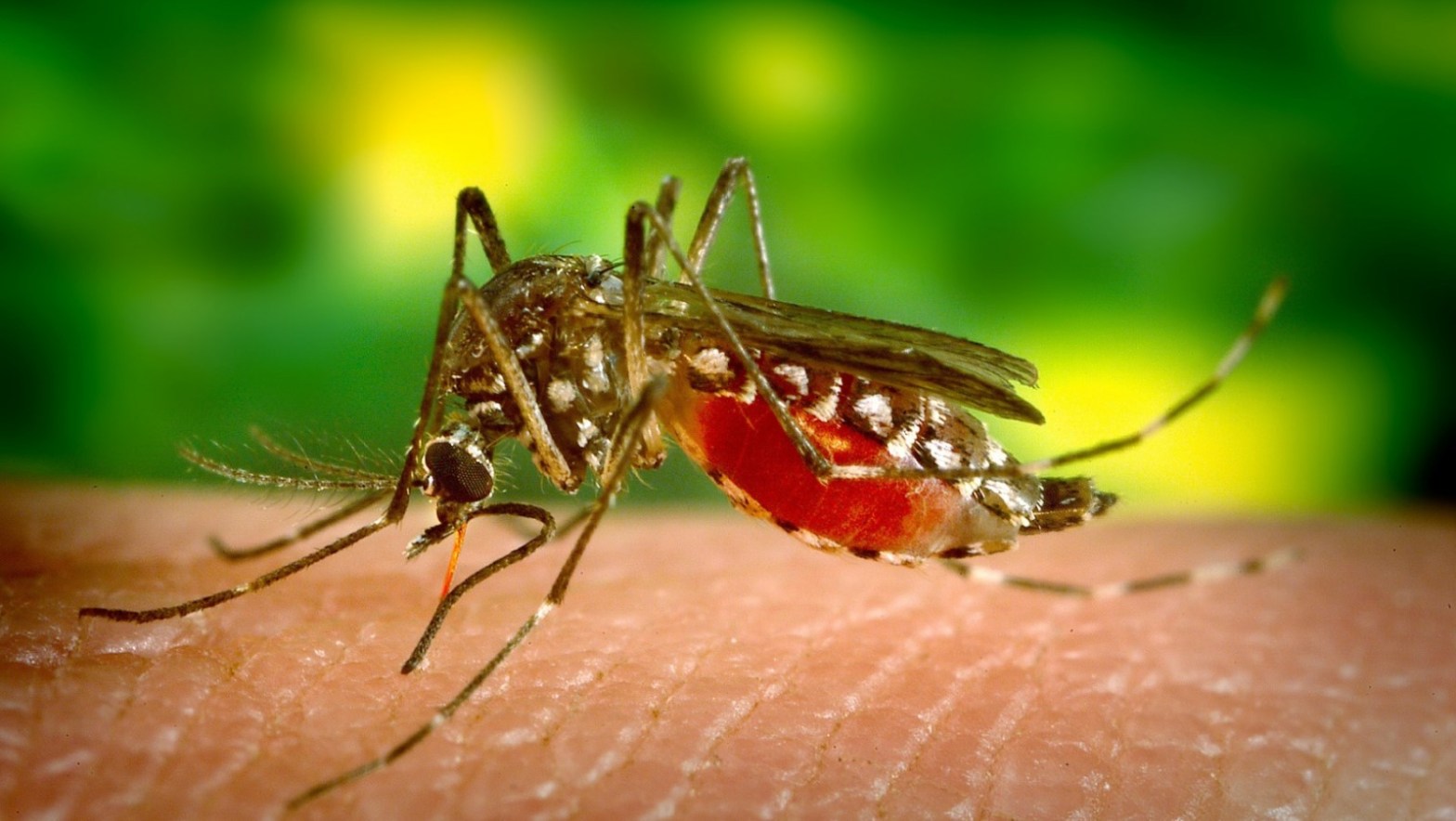
A new malaria control method focuses on female mosquitoes and her eggs.
Sun cream for trees?!
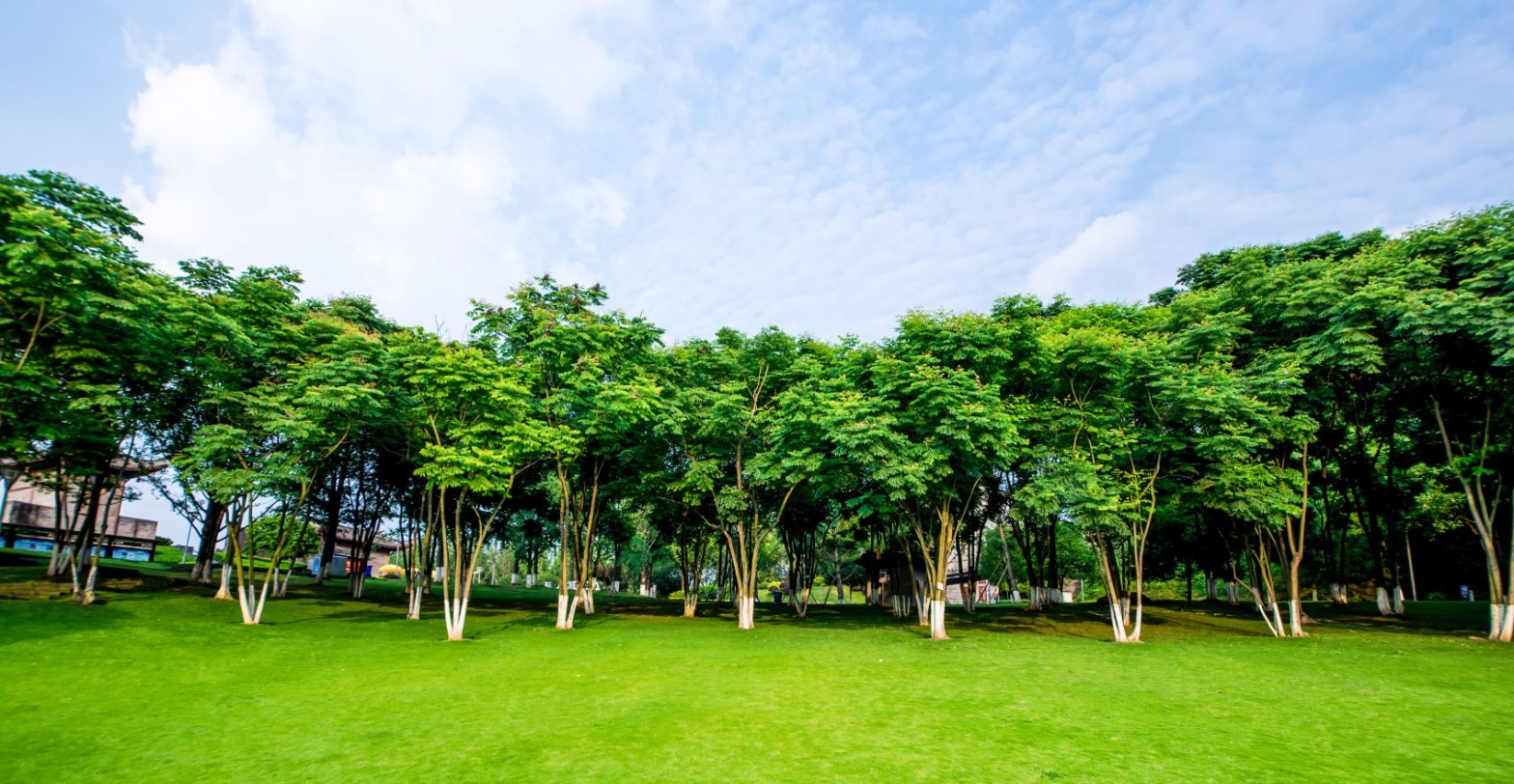
Last month, in the Dutch town of Doetinchem, nature managers applied sun cream onto the bark of beech trees. Is that really necessary?
Sleep study on fruit flies helps to understand brain development
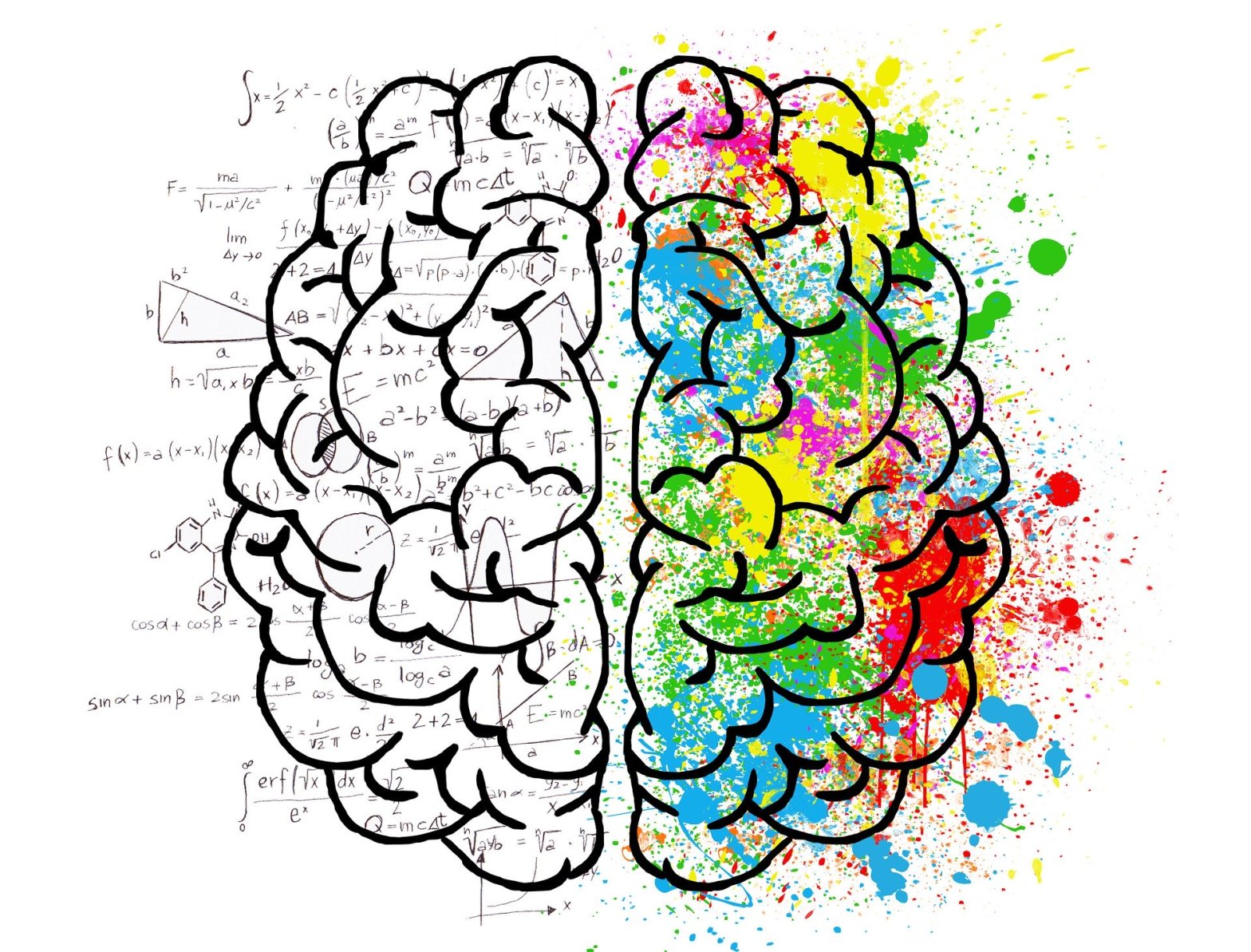
The brains of adolescent fruit flies are wired to make them sleep longer than adults, which is important for brain development. Scientists believe that human brains work similarly and that this is the reason why children and teenagers sleep longer.
Are 5 servings of fruits and vegetables a day really necessary?
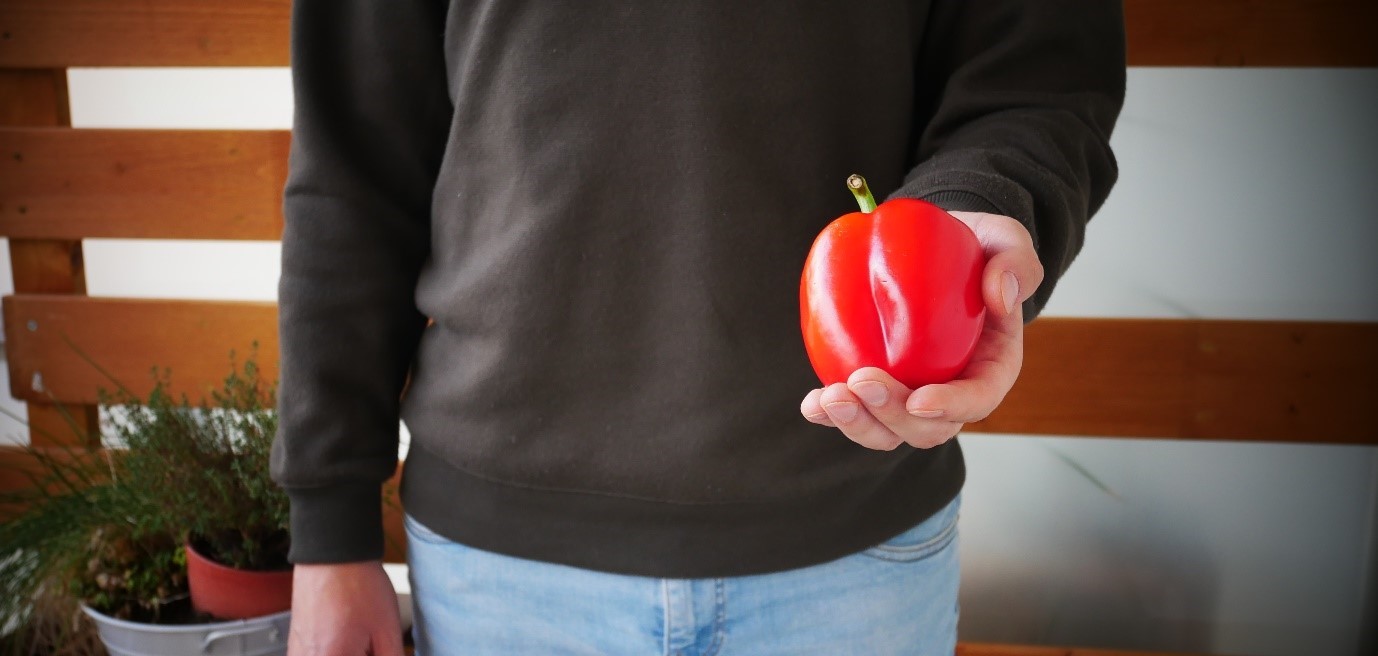
The body needs vitamins and minerals to carry out many vital processes. We therefore must eat them regularly, but in which quantities?
Exposed – the imposter syndrome
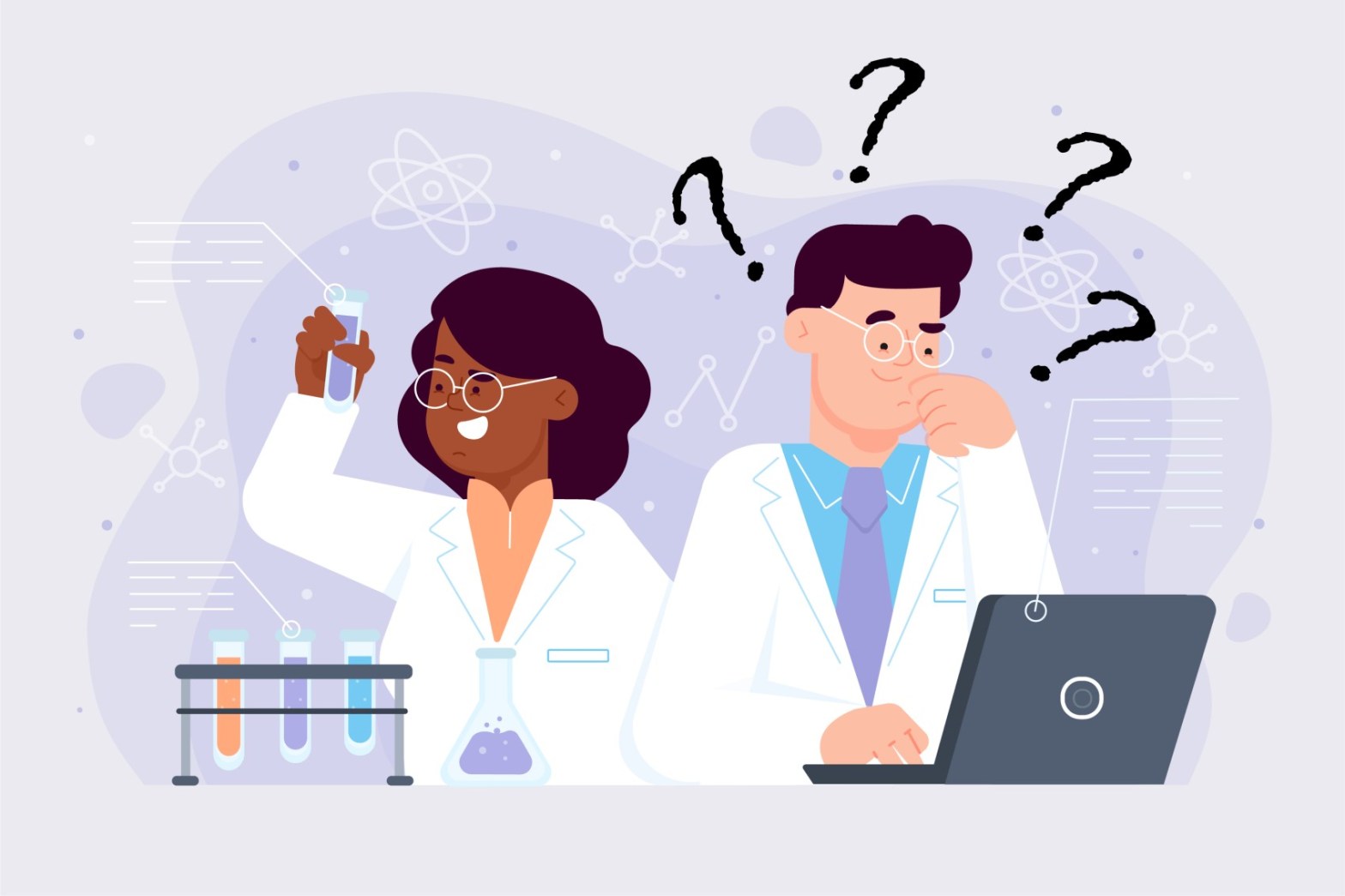
Do you know that feeling that everyone around you knows exactly what they are doing, while you’re just muddling on? Many people, in all kinds of professions, suffer from this so-called imposter syndrome. Even scientists, and especially PhD students, struggle with this.
Corona virus crisis: necessity is the mother of invention
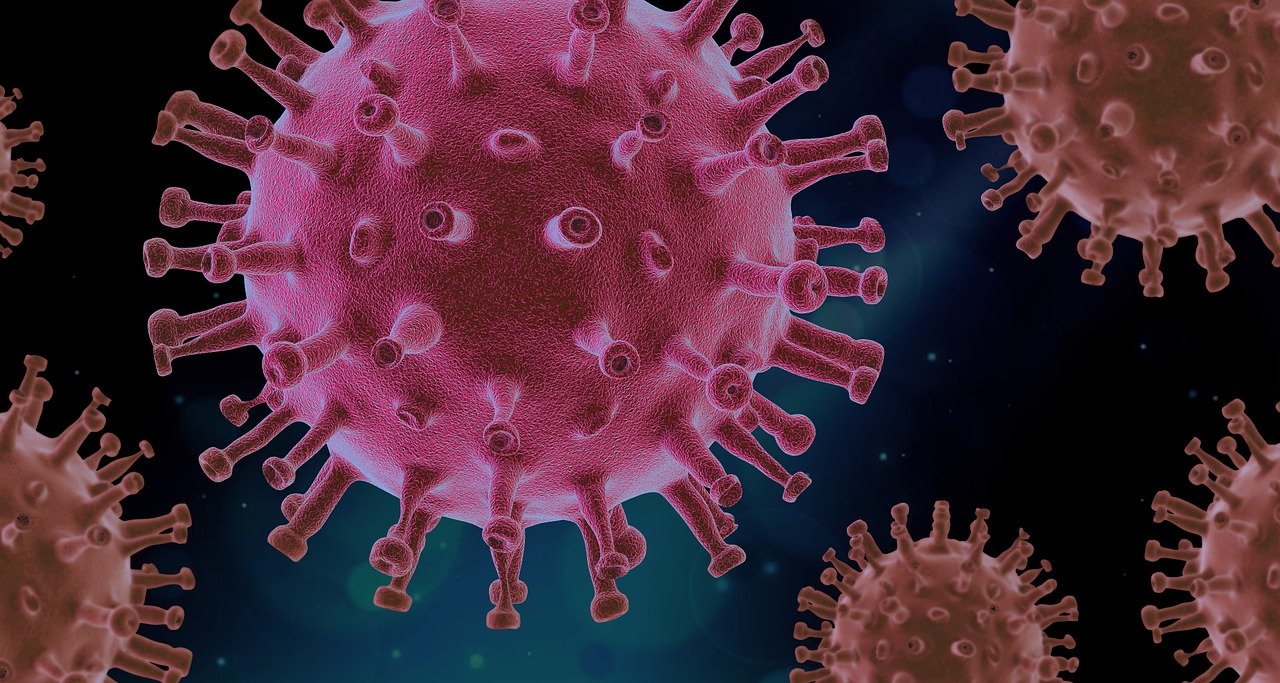
Time pressure for the development of a corona virus vaccine makes researchers utilize new techniques. These promise shorter production times. But how will scientists know whether they are affective?
Salamander wears coat of toxic bacteria
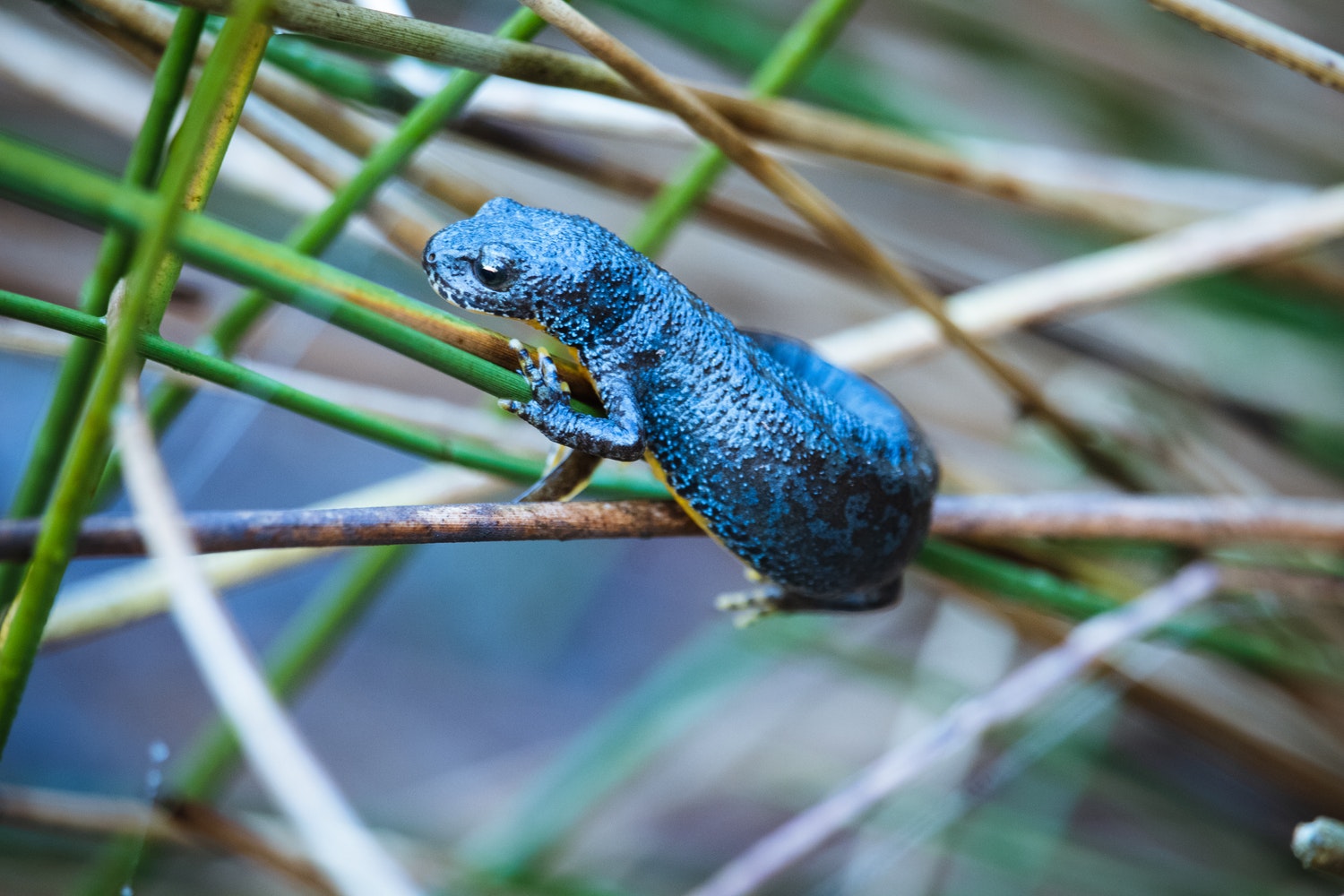
The poisonous rough-skinned newt Taricha granulosa, which can kill an adult human, turns out not to be poisonous itself. The poison is made by its little helpers.
Shedding light on butterflies
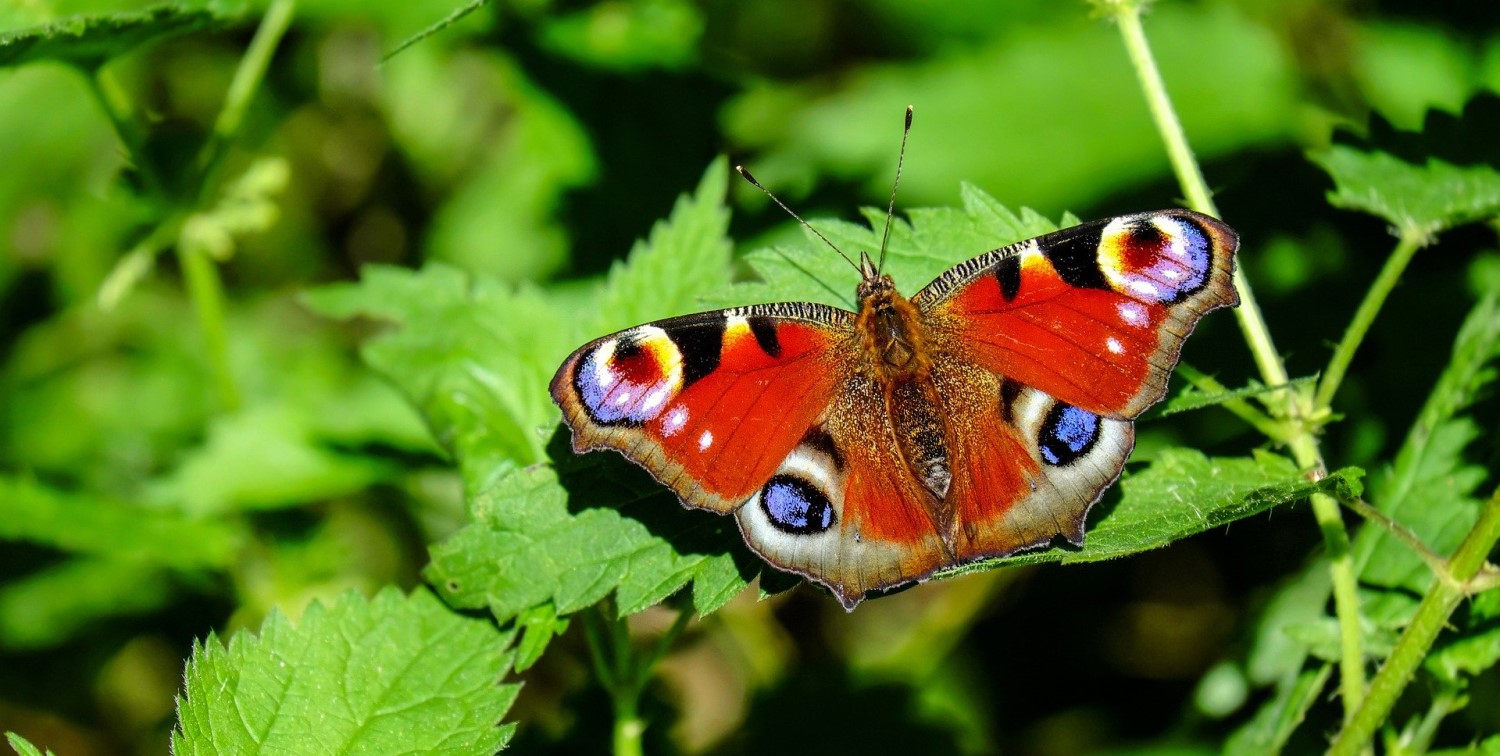
Butterflies come in all shapes and colors. Mother Nature has tricks to color those butterflies as well as the rest of the world.
Scientists forge weapons for the fight against corona virus
Scientists are researching feverishly to find solutions for the corona crisis. And they seem to have found a promising one.
How knowledge of photosynthesis leads to production of clean energy.
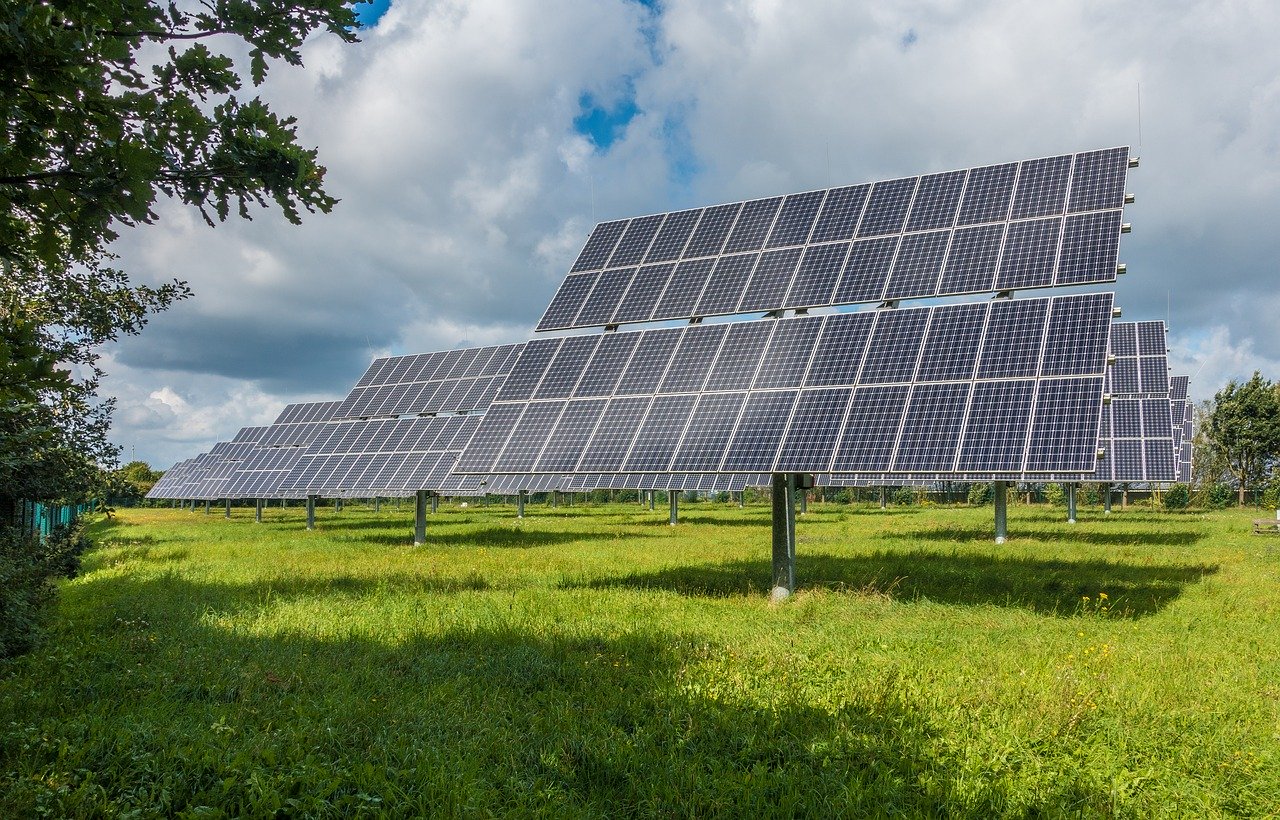
From fundamental research to an application
Are honey and maple syrup healthy replacements for refined sugars?
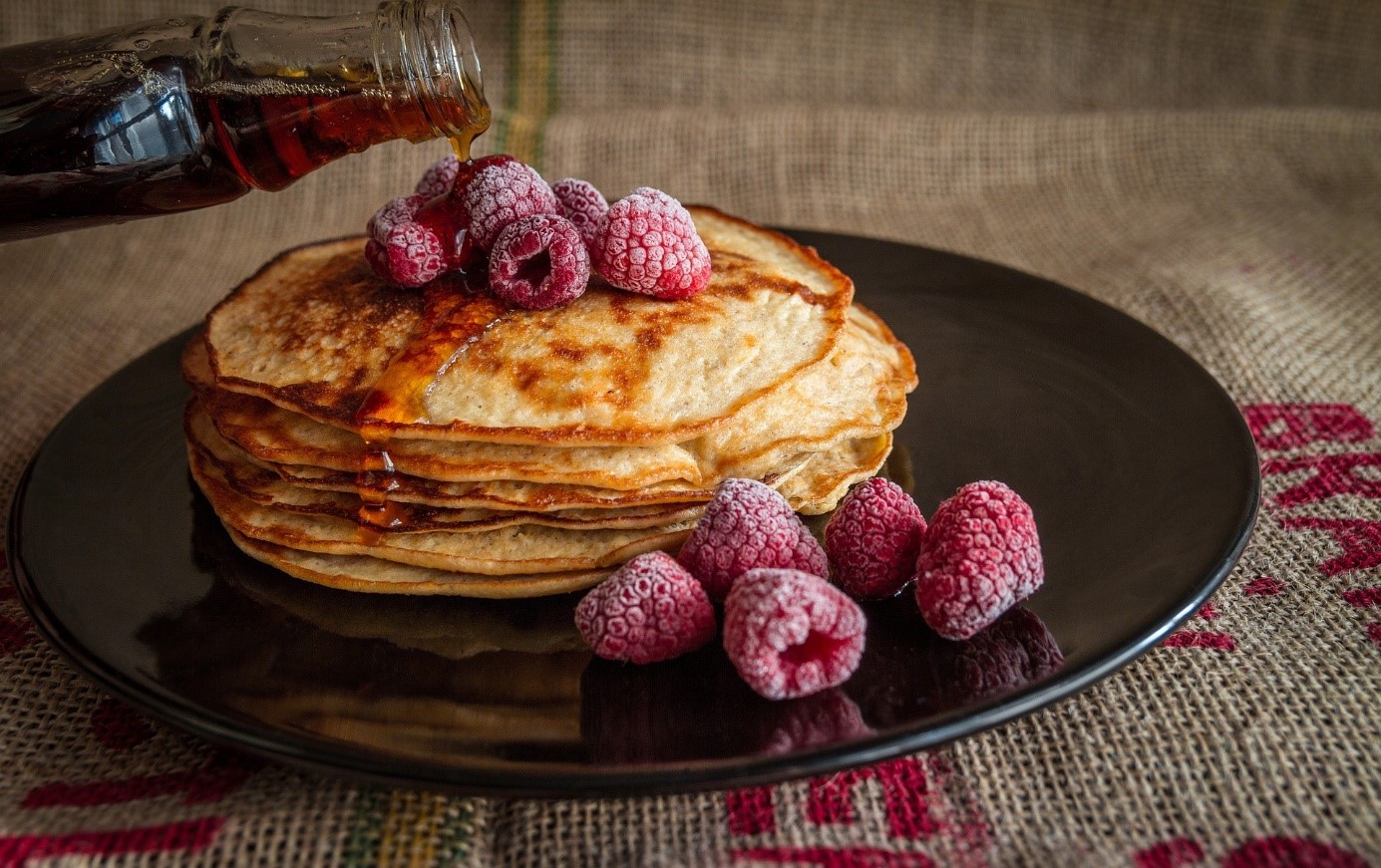
Studies have shown that natural sweeteners (honey and maple syrup) interfere less with our blood glucose levels than refined sugar. They are thus considered to be healthy. However, this is only a small piece in the puzzle of nutritional science, the overall picture looks a little different.
The latest news in Alzheimer’s research

Methods that allow an early diagnosis of Alzheimer’s disease are as important as a good therapy
Viruses as ally? Are they going to optimize our gut flora?
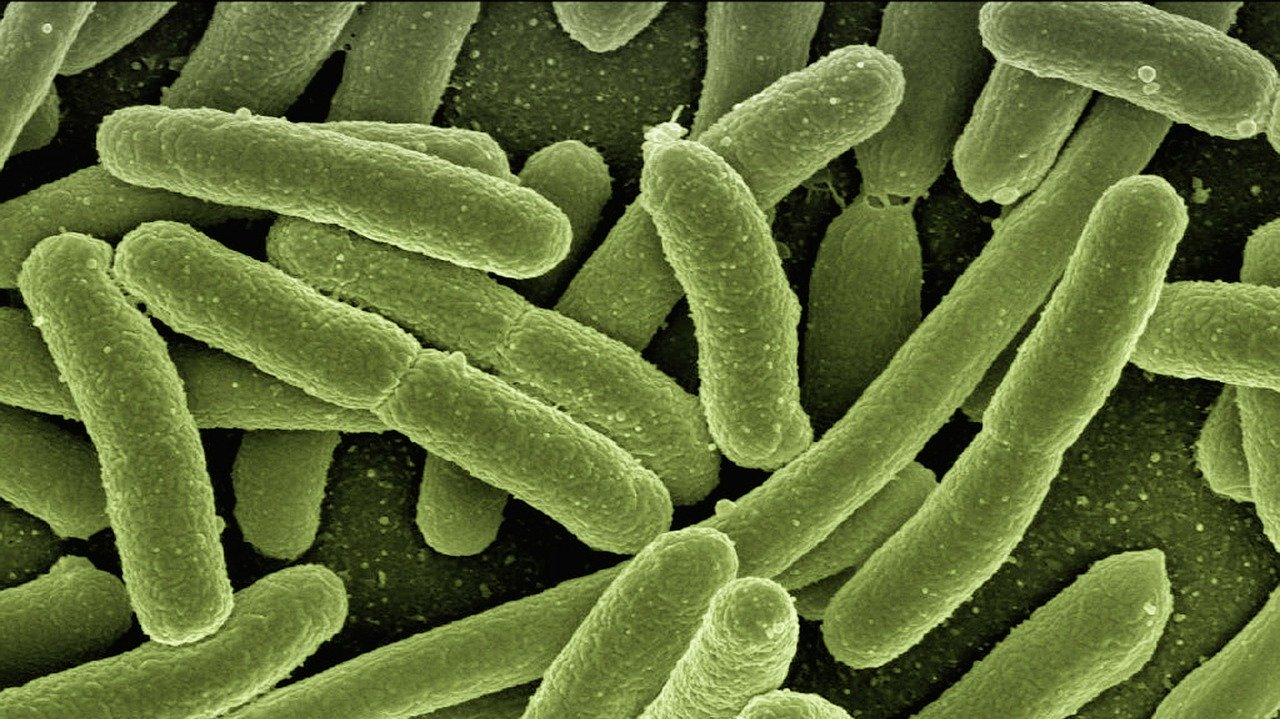
Both good and bad bacteria in our gut affect our health. Can’t we kill those bad bacteria?
Scientists forget an important component in the hunt for the corona vaccine
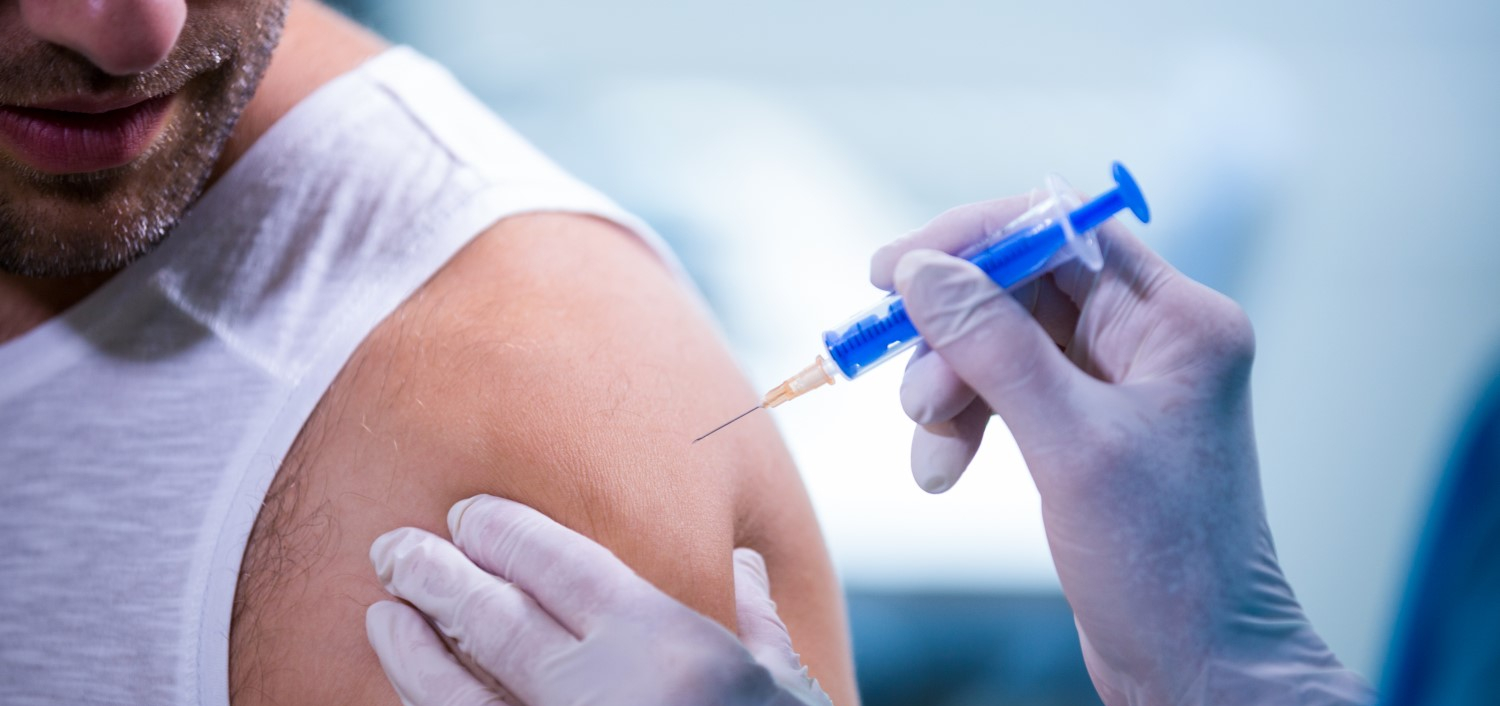
Scientists have published numerous 3D models of parts of the coronavirus. Those models are essential in making a corona vaccine. But they are missing something important …
Scientists strike back: are we outsmarting malaria?
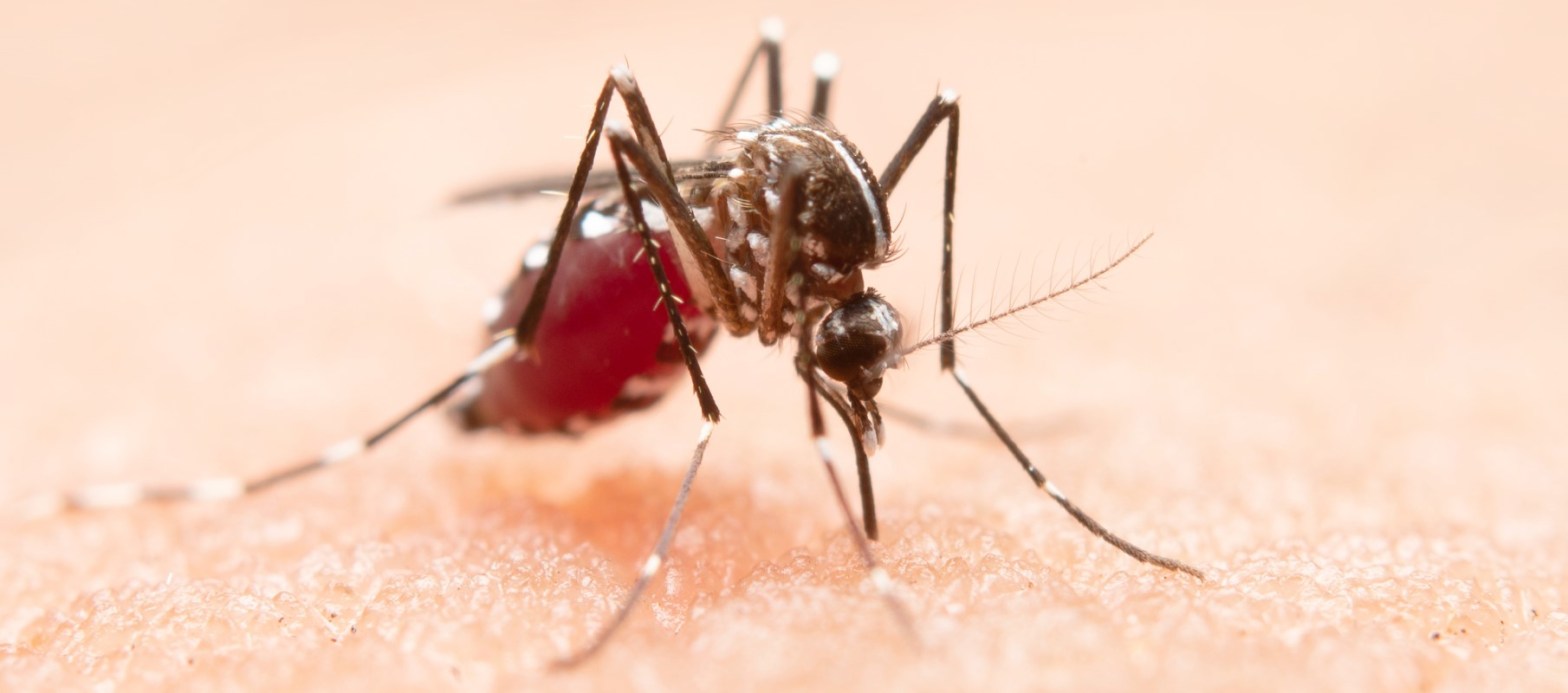
The malaria pathogen is building up resistance to current medications. Scientists now discovered how this resistance is established. They published their findings in the scientific journal Science.
Why scientists need to create GMOs for their research in the lab
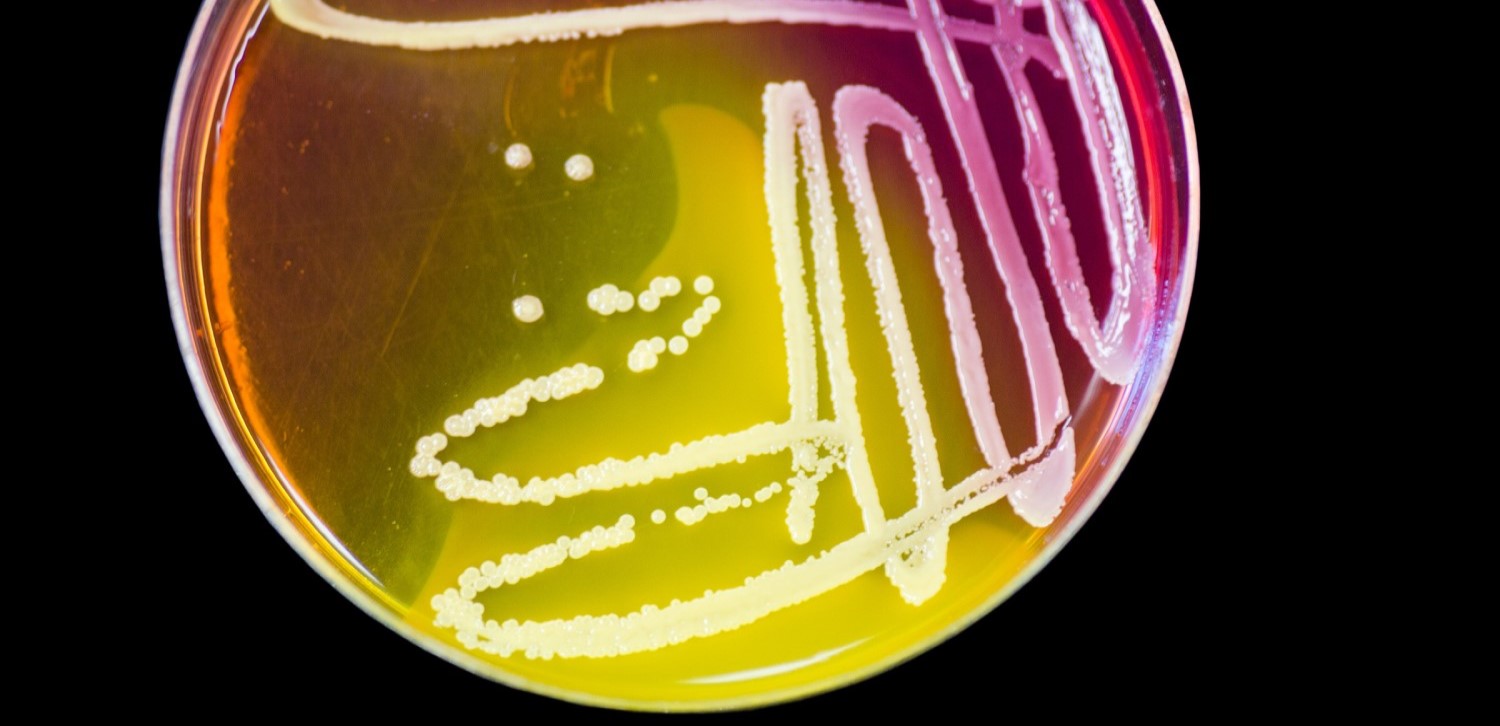
Genetically modified organisms (GMOs) are powerful tools that help scientists study the foundation of life. The knowledge that can be created with them is the basis for applications everyone can benefit from. It can be the cure of a disease or the cure of hunger. The GMOs are made to be used in a laboratory, but the knowledge that is created with them is made for everyone.
 Science Bites